
What Is the Difference Between a Hydrant and a Sprinkler System?
Fire safety systems play a major role in protecting people, buildings, and valuable assets. Among the many systems used in commercial and industrial spaces, hydrants and sprinklers are two of the most common.
Although both help fight fires, they work in very different ways and are designed for different situations. Understanding how each system functions is important for choosing the right setup for your building.
This blog explains how hydrants and sprinkler systems work, where they are used, and how they help control fire hazards. By the end, you will have a clear picture of what sets these two systems apart.
1. What Is a Hydrant System?
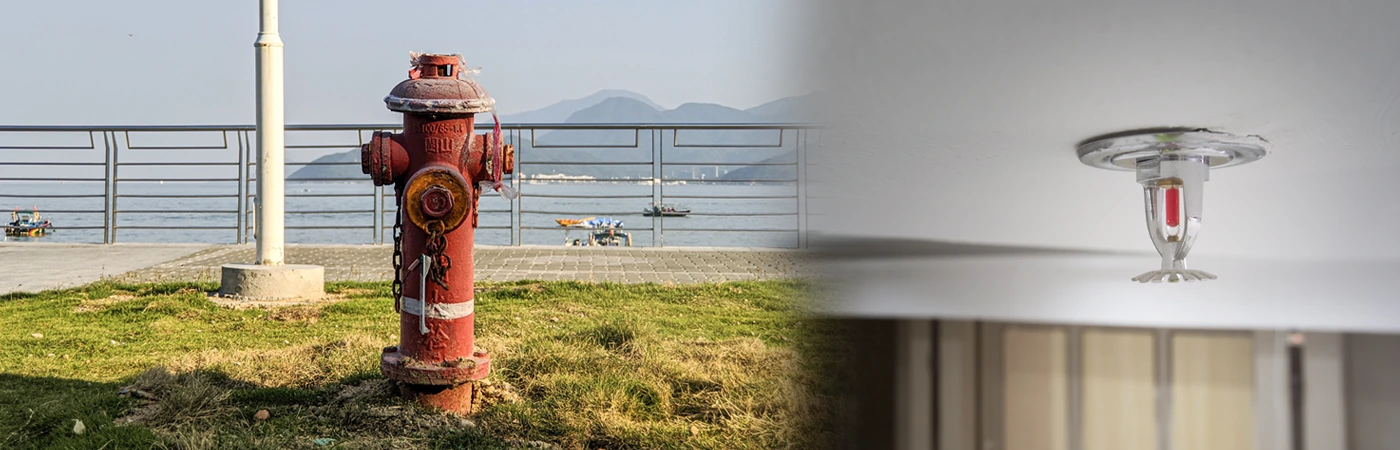
A hydrant system is a powerful firefighting setup designed to supply a high volume of water at high pressure. It helps trained firefighters tackle large fires from the outside or inside a building.
How it works:
A network of pipes runs through the building, connected to hydrant valves located at key points, such as staircases, corridors, and open areas. During a fire, firefighters connect hoses to these hydrant points and use strong water pressure to control or extinguish the flames.
Main components:
Fire hydrant valves
Fire hoses and nozzles
Fire pumps
Water storage tanks
Landing valves and hose reels
Better safety for people:
Key features
Covers large areas
Provides high-pressure water flow
Best operated by trained personnel
Ideal for industrial plants, warehouses, commercial buildings, and campuses
Hydrant systems are particularly helpful when a fire spreads quickly or when the flames are too strong for smaller firefighting tools.
2. What Is a Sprinkler System?
A sprinkler system is an automatic fire-fighting setup that activates the moment it detects high heat in a particular area. Unlike hydrants, sprinklers do not require manual operation.
How it works:
Each sprinkler head contains a heat-sensitive element. When the temperature rises to a certain point, usually between 68°C and 74°C, the sprinkler head opens and releases water directly over the fire.
Main components
Sprinkler heads
Control valves
Pipes with a continuous water supply
Alarm valve
Pump and tank system
Key features:
Activates automatically
Controls fire at an early stage
Releases water only in the affected zone
Minimises damage compared to hydrants
Suitable for offices, homes, shops, hospitals, and hotels
Sprinkler systems are designed to stop the fire before it grows, giving people more time to move to safety.
3. Core Differences Between Hydrant and Sprinkler Systems
While both systems fight fires, their purpose, operation, and usage vary widely. Here is a clear and simple comparison:
1. Method of Operation
Hydrant system: Requires trained firefighters to operate hoses and direct water.
Sprinkler system: Works automatically without human action.
2. Water Discharge Pattern
Hydrant system: Shoots a powerful stream of water over long distances.
Sprinkler system: Sprays water over a limited area right above the fire.
3. Purpose
Hydrant system: Designed to tackle large and fully developed fires.
Sprinkler system: Designed to control fires at an early stage.
4. Coverage
Hydrant system: Can be used outdoors and across large open spaces.
Sprinkler system: Covers indoor rooms and enclosed spaces.
5. Water Usage
Hydrant system: Uses a high quantity of water.
Sprinkler system: Uses less water by targeting only the affected area.
6. Activation
Hydrant system: Manual.
Sprinkler system: Automatic.
7. Skill Requirement
Hydrant system: Needs trained firefighters.
Sprinkler system: Suitable for all buildings, no special skills needed.
4. Where Are Hydrant Systems Most Suitable?
Hydrant systems are preferred in areas where there is a higher chance of large-scale fire incidents. These systems are powerful and can throw water across long distances. They are used in:
- Factories and industrial plants
- Large warehouses
- High-rise commercial towers
- Power stations
- Large campuses
- Public infrastructure (airports, stations, etc.)
These spaces hold heavy machinery, flammable materials, or large crowds—making hydrants a vital part of their safety setup.
5. Where Are Sprinkler Systems Most Suitable?
Sprinklers are widely used in buildings where early fire control is important to prevent heavy damage or disruption. They activate quickly and help reduce fire spread. Common places include:
- Offices and co-working spaces
- Hotels and restaurants
- Residential apartments
- Shopping malls and retail stores
- Hospitals and clinics
- Schools and colleges
Sprinklers help protect people, property, and daily operations by quickly controlling the fire before it grows larger.
6. Do Buildings Need Both Systems?
In many cases, yes. Large buildings, commercial complexes, industrial plants, and multi-floor structures often use both hydrants and sprinklers as part of their complete fire-fighting setup.
Here’s why:
- Sprinklers: Handle small fires instantly.
- Hydrants: Tackle stronger fires that need manual action.
Together, they create a powerful response system for different kinds of emergencies.
Some buildings may even add fire alarms, smoke detectors, extinguishers, and voice evacuation
Conclusion
Hydrant and sprinkler systems serve different purposes, but both play a vital role in modern fire safety planning. Hydrant systems are built for large fires that require strong water pressure and trained firefighters, while sprinklers activate automatically and control early-stage fires before they spread.
Understanding the difference helps building owners choose the right setup for their safety needs. A well-planned fire protection strategy often combines both systems to create a stronger, more dependable response during an emergency.
Looking to build stronger fire protection for your facility? Talk to Trident Automation Systems for reliable hydrant and sprinkler solutions designed to safeguard people, property, and operations. Connect with our experts today.
copyright © Trident Automation Systems Pvt. Ltd. All rights reserved.