
Types of Fire Sprinkler Systems Explained: Wet Pipe, Dry Pipe & Deluge
Fire incidents can escalate quickly, causing serious damage to property and posing risks to human life. Fire sprinkler systems are designed to respond automatically at the earliest stage of a fire, helping control flames before they spread. However, not all sprinkler systems work the same way.
Different buildings, environments, and fire risks, different system designs. From commercial offices to industrial plants, selecting the right sprinkler system plays an important role in overall fire safety planning.
This blog explores the types of fire sprinkler systems, explaining how they work, their advantages, limitations, and where each system is best suited.
What Are Fire Sprinkler Systems and How Do They Work?
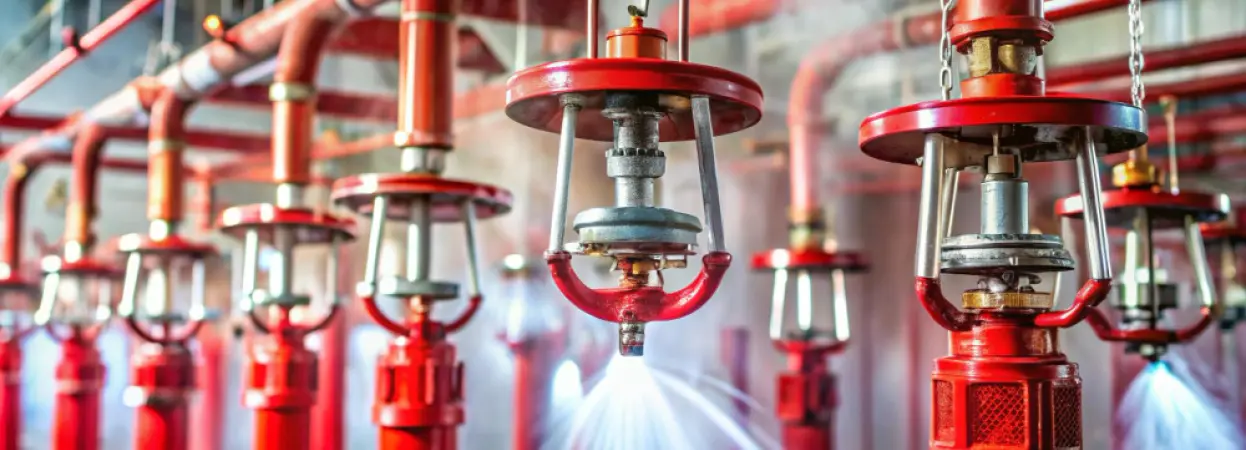
Fire sprinkler systems are active fire protection solutions that automatically discharge water when exposed to high heat. Each sprinkler head operates independently and activates only in areas affected by fire. Once the temperature around the sprinkler reaches its rated threshold, the heat-sensitive element breaks, allowing water to flow and control the fire.
These systems are connected to a reliable water source and are designed to limit fire growth, reduce heat, and provide critical time for evacuation and emergency response.
Wet Pipe Sprinkler System
1. What Is a Wet Pipe Sprinkler System?
A wet pipe sprinkler system is the most widely used fire sprinkler arrangement. In this system, water is constantly present inside the pipes, making it ready to discharge immediately when a sprinkler head is activated.
2. How a Wet Pipe Sprinkler System Works
When a fire raises the surrounding temperature, the sprinkler head opens, and water flows directly onto the fire. Since water is already in the pipes, there is no delay between activation and discharge.
3. Advantages and Limitations of Wet Pipe Systems
Advantages:
- 1. Simple design and operation
- 2. Fast response time
- 3. Lower installation and maintenance costs
Limitations:
- 1. Pipes can freeze in cold operations
- 2. Not suitable for outdoor or unheated areas
4. Best Applications for Wet Pipe Sprinkler Systems
Commonly used in residential buildings, offices, shopping malls, hotels, hospitals, and educational institutions with controlled indoor temperatures.
Dry Pipe Sprinkler System
1. What Is a Dry Pipe Sprinkler System?
A dry pipe sprinkler system is designed for locations where water-filled pipes could freeze. Instead of water, the pipes contain pressurized air or nitrogen until activation.
2. How a Dry Pipe Sprinkler System Operates
When a sprinkler head opens due to heat, the air pressure inside the pipes drops. This triggers a valve that allows water to enter the system and discharge at the activated sprinkler head.
3. Key Benefits of Dry Pipe Sprinkler Systems
- 1. Suitable for low-temperature environments
- 2. Reduced risk of pipe damage due to freezing
- 3. Lower chances of accidental leakage
4. Ideal Locations for Dry Pipe Sprinkler Systems
Used in parking garages, warehouses, loading docks, cold storage areas, and buildings with exposed piping.
Deluge Sprinkler System
1. What Is a Deluge Sprinkler System?
A deluge sprinkler system is built for high-risk fire zones where fires spread rapidly. All sprinkler heads remain open, and water is released across the entire area simultaneously.
2. How Deluge Sprinkler Systems Are Activated
Deluge systems are activated by external fire detection devices such as smoke, heat, or flame detectors. Once triggered, a control valve opens, allowing water to flow through all sprinkler heads at once.
3. Advantages of Deluge Sprinkler Systems
- Rapid fire control in hazardous areas
- Covers large spaces instantly
- Effective for flammable and explosive materials
4. Common Applications of Deluge Sprinkler Systems
Frequently used in power plants, chemical processing units, oil refineries, aircraft hangars, and heavy industrial facilities.
Comparison of Types of Fire Sprinkler Systems
Wet Pipe vs Dry Pipe vs Deluge Sprinkler Systems
| Comparison Factor | Wet Pipe | Dry Pipe | Deluge |
|---|---|---|---|
| Water Presence | Water Is Always In Pipes | Water Stored Outside Pipes | Water Is Released To All Sprinklers |
| Activation Method | Heat-Operated Sprinkler | Heat-Operated Sprinkler | Fire Detection System |
| Best Use Environments | Temperature-Controlled Buildings | Cold Or Freezing Areas | High-Hazard Industrial Zones |
| Risk Factors | Freezing, Accidental Discharge | Slight Delay In Activation | High Water Usage |
How to Choose the Right Fire Sprinkler System for Your Building
Choosing the right sprinkler system depends on several factors, including building occupancy, environmental conditions, fire hazard levels, and local safety regulations. Residential and commercial spaces typically benefit from wet pipe systems, while cold or exposed areas require dry pipe solutions.
High-risk industrial facilities often need deluge systems for faster fire control. A detailed site assessment helps identify the most suitable system based on real-world conditions.
Importance of Professional Design and Maintenance
Fire sprinkler systems must be designed and installed according to recognized fire safety standards. Professional design accounts for water supply, hazard classification, system layout, and compliance requirements.
Regular inspections, testing, and maintenance help identify potential issues and keep systems operational. Skilled maintenance reduces the risk of failure during emergencies and supports long-term system performance.
Conclusion
Fire sprinkler systems form the backbone of effective fire protection strategies in modern buildings. Each system type serves a specific purpose based on environmental conditions and fire risks.
Understanding their work principles and applications helps property owners make informed safety decisions. With proper planning, professional installation, and routine maintenance, sprinkler systems play a major role in reducing fire damage and protecting lives.
Looking for reliable fire sprinkler solutions? Trident Automation Systems offers expert design, installation, and maintenance services to match your building’s fire safety needs with industry standards.
copyright © Trident Automation Systems Pvt. Ltd. All rights reserved.