
5 Warning Signs Your Sprinkler System Needs Servicing
A fire sprinkler system is one of those things most people don’t notice until it’s needed. It sits quietly above ceilings and inside buildings, ready to respond instantly during a fire emergency. But like any safety equipment, it doesn’t stay reliable forever without care.
Over time, pipes age, pressure changes, and small faults begin to develop inside the system. The challenge is that these problems rarely show themselves all at once. They build slowly and are often missed until something goes wrong during a critical moment.
That is why regular checks matter more than most people realize. In this article, let’s look at five practical warning signs that your sprinkler system may be asking for attention.
Why Regular Sprinkler System Checks Matter
A sprinkler system is only effective when it responds instantly and covers the required area without delay. Even small faults inside the system, like a minor leak or pressure drop, can affect how it performs during an emergency.
Regular checks help identify hidden issues before they turn into serious risks. They also ensure the system is physically ready, not just installed and forgotten. Most fire safety failures don’t happen suddenly; they happen due to missed maintenance over time.
Now let’s look at the key warning signs that indicate your sprinkler system may need servicing.
1. Water leaks or damp spots that shouldn’t be there
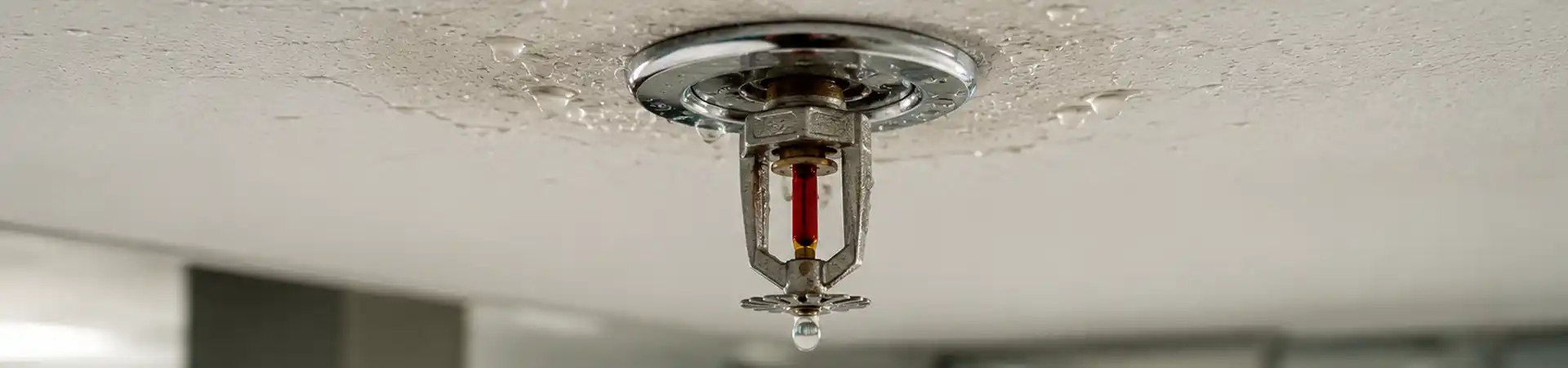
Water where it doesn’t belong is usually the first visible warning. If you notice dripping from sprinkler heads, damp patches on ceilings, or wet areas near pipes, it’s not something to brush aside.
Leaks often begin at joints or seals that have loosened over time. Even a small drip can slowly reduce system pressure and affect how well the sprinklers respond in an emergency. In some cases, it can also lead to ceiling damage or electrical risks if left unchecked.
What starts as a minor leak often points to a deeper issue inside the pipeline.
2. Rust or corrosion on pipes and sprinkler heads
Rust is one of those problems that develops quietly but can cause serious trouble later. If you see brown stains, flaking metal, or discoloured sprinkler heads, it usually means corrosion has already started.
This weakens the structure of pipes and can slowly restrict water flow. In older systems, corrosion is one of the most common reasons for reduced performance because it builds up internally without being obvious from the outside.
Understanding the full scope of your fire hydrant and sprinkler system can help you identify these risks early.
Once corrosion spreads, repairs become more complex, which is why early attention makes a big difference.
3. Weak or inconsistent water pressure
A sprinkler system depends heavily on stable water pressure to work effectively. If the spray looks weaker than usual, or certain areas don’t receive the same coverage during testing, something is not right.
This can happen due to partial blockages, internal scaling, pump issues, or hidden leakage. Whatever the cause, reduced pressure directly affects how quickly and effectively a fire can be controlled. To understand how fire sprinklers and hydrants work together under pressure, it helps to know the role each component plays.
Even a small drop in pressure should be taken seriously because it changes the system’s overall response.
4. Blocked, painted, or damaged sprinkler heads
Sprinkler heads must always remain open and free. But in real situations, they often get overlooked during renovations, cleaning, or storage arrangements.
Common issues include:
- ● Paint covering the head
- ● Dust buildup over time
- ● Bent or physically damaged parts
- ● Items placed too close to the underneath
Even a thin layer of paint can delay activation, which defeats the purpose of the system itself. Sprinkler heads are designed to respond instantly, and any obstruction can interfere with that response.
Keeping them clear is one of the simplest but most important safety practices.
5. Strange sounds or unexpected alarms
A sprinkler system is usually quiet when everything is working normally. So when you start hearing hissing, knocking, or vibration-like sounds, it’s worth paying attention.
These noises can come from air trapped inside pipes, pressure imbalance, or loose fittings. Similarly, alarms that activate without a clear reason may point to faults in valves or sensors.
Even if everything appears fine on the surface, unusual sounds often indicate something happening inside the system that needs checking.
Importance of Fire Sprinkler System Testing and Routine Inspection
Even when no visible warning signs are present, sprinkler systems still require periodic testing and inspection. This is because many internal issues develop silently and cannot be detected just by observation.
Routine fire sprinkler system testing helps in:
- ● Checking water pressure consistency
- ● Identifying hidden leaks inside pipelines
- ● Ensuring sprinkler heads activate correctly
- ● Verifying alarm and control response
- ● Detecting early corrosion or scaling
In many fire safety audits, systems that appear fine externally are found to have hidden performance issues during testing. This is why scheduled inspection is just as important as visible maintenance.
A well-tested system gives confidence that it will respond correctly when it is actually needed.
Conclusion
A fire sprinkler system is designed to protect lives and property, but it can only do that effectively when it is in good working condition.
Small signs like leaks, rust, weak pressure, blocked sprinkler heads, unusual sounds, or missing maintenance records are early warnings that should never be ignored. They don’t always mean failure is immediate, but they do indicate that something needs attention.
Staying aware of these signs helps prevent unexpected breakdowns and keeps the system ready when it matters most.
For expert sprinkler system inspection and servicing, connect with Trident Automation Systems Pvt. Ltd. to keep your fire safety systems checked, maintained, and dependable when it matters most.
copyright © Trident Automation Systems Pvt. Ltd. All rights reserved.