
Top Causes of Fire Alarm False Alarms and How to Prevent Them
A fire alarm is designed to warn people about danger. When it goes off without a real fire, it can interrupt work, create confusion, and reduce trust in the system. If false alarms happen often, people may start ignoring alerts, which can become dangerous during a real emergency. Many false alarms are caused by simple issues that can be avoided with proper planning and regular maintenance. Understanding why they happen is the first step towards preventing them.
This guide explains the most common causes of fire alarm false alarms and shares practical ways to reduce them, helping your fire protection system work when it matters most.
Why False Fire Alarms Should Never Be Ignored
Many people see a false fire alarm as a minor inconvenience, but repeated false alarms can have serious consequences. They interrupt daily business activities, force unnecessary building evacuations, and waste valuable time. Over time, frequent false alarms can reduce employees' confidence in the fire alarm system, making them slower to respond when a real emergency occurs.
They can also increase maintenance costs and lead to unnecessary emergency service call-outs. A fire alarm system should activate only when there is a genuine fire risk. Every false alarm reduces trust in the system and may put lives and property at greater risk during an actual emergency.
Common Causes of Fire Alarm False Alarms
Dust and Dirt Inside Smoke Detectors
Dust and dirt are one of the most common causes of false fire alarms. When dust builds up inside smoke detectors, it can affect the sensor and cause it to mistake dust particles for smoke. This issue is common in construction sites, warehouses, manufacturing facilities, and buildings under renovation.
Steam from Kitchens and Bathrooms
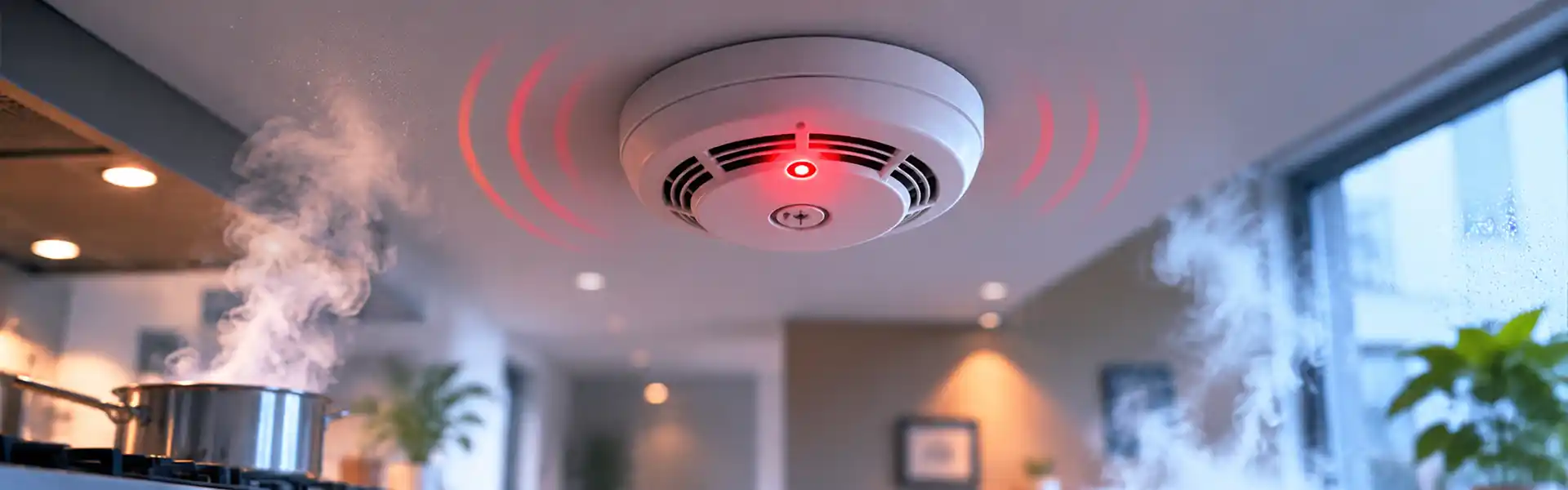
Steam can sometimes look like smoke to a detector. Areas close to kitchens, washrooms, or pantry spaces often experience unwanted alarms because of cooking steam or hot showers. The best solution is choosing the correct detector for each location and installing it at the right distance from steam-producing areas.
Insects Inside Smoke Detectors
Small insects can enter the sensing chamber of a detector. Once inside, they block or disturb the sensor, causing false alarms. This issue is more common during warmer months and in buildings with open ventilation. Regular inspections and cleaning help prevent insects from affecting detector performance.
Incorrect Fire Detector Placement
Not every detector is suitable for every environment. Installing smoke detectors near air vents, cooking areas, loading bays, or places with heavy dust can increase unwanted alarms. A proper site survey helps identify the right detector type and the correct installation location for every part of the building.
Electrical Faults and Wiring Issues
Loose wiring, damaged cables, power fluctuations, or faulty connections can cause a fire alarm panel to trigger unexpected alarms. Electrical faults may not always be visible, making regular inspections important. Qualified technicians can identify wiring issues before they become larger problems.
Poor Fire Alarm System Maintenance
A fire alarm system cannot protect a building if it is ignored for months or years. Sensors become dirty, batteries weaken, and electronic parts wear out over time. Without a proper fire alarm AMC plan in place, the chances of false alarms increase significantly. Routine servicing helps identify small issues before they affect system performance.
Environmental Conditions
Environmental conditions can sometimes trigger false fire alarms. High humidity, sudden temperature changes, strong airflow, industrial smoke, and chemical fumes may affect how fire detectors respond. Using the right type of detector for these conditions helps reduce false alarms and improve system reliability.
How to Prevent Fire Alarm False Alarms
Schedule Regular Fire Alarm Maintenance
Regular maintenance helps keep fire alarm systems working properly. Cleaning detectors, testing devices, checking batteries, and inspecting wiring against a structured maintenance checklist can identify small issues early and reduce the risk of false alarms.
Choose the Right Type of Fire Detector
Different environments need different fire detectors. Selecting the correct detector for kitchens, warehouses, offices, or industrial spaces helps improve detection accuracy and reduces unnecessary alarm activations.
Install Fire Alarm Devices in the Correct Locations
Following correct installation practices is essential for reliable performance. Placing fire alarm devices away from steam, dust, strong airflow, and heat sources helps prevent unwanted alarms and improves system effectiveness.
Train Employees and Building Occupants
Basic fire alarm awareness helps prevent accidental activations. Employees should understand how the system works, avoid actions that trigger false alarms, and know the correct response during emergencies.Running periodic fire mock drills and safety training reinforces this awareness across the building.
Keep the Building Clean
Dust, insects, and dirt affect detector performance. Regular housekeeping helps keep detectors clean, especially in warehouses, factories, and commercial buildings where dust builds up quickly. Clean surroundings also improve the overall life of fire alarm equipment.
Upgrade Older Fire Alarm Systems
Older systems may not distinguish between smoke, dust, and environmental changes as accurately as modern technology. Modern addressable fire alarm systems offer better detection accuracy and help maintenance teams quickly identify the exact device causing the alarm. Upgrading older systems can reduce unnecessary interruptions while improving building safety.
When Should You Contact a Fire Alarm Professional?
If your fire alarm system experiences repeated false alarms, frequent faults, or unexpected activations, it is time to contact a fire alarm professional. A qualified technician can inspect the system, identify the root cause, carry out necessary repairs, and recommend upgrades to improve reliability and keep your fire alarm system working properly.
Conclusion
False fire alarms are more than an inconvenience. They can disrupt operations, increase costs, and reduce confidence in your fire safety system. Identifying the cause early and following the right maintenance practices helps keep your system reliable when every second matters.
If you need expert fire alarm inspection, maintenance, or system upgrades, Trident Autosys can help you build a reliable fire protection system that keeps your people, property, and business safe.
copyright © Trident Automation Systems Pvt. Ltd. All rights reserved.